
MEDICATION INDUCED DIABETES
Diabetes are caused by several reasons. Medications that are prescribed to us can be one of the reasons. Doctors should be aware of the potential for certain drugs to induce diabetes, especially in high-risk patients.
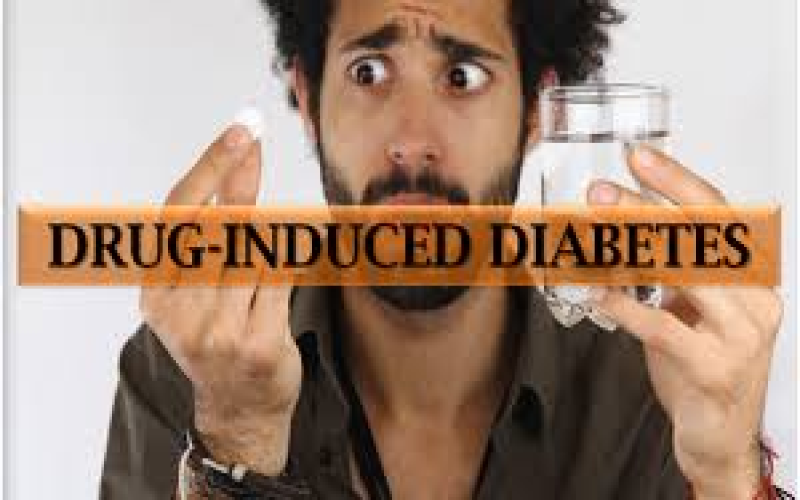
Several drugs are known to interfere with glucose control and balance in our body. The study authors focused their review on 4 pharmacologic classes: glucocorticoids, antiretroviral therapies (ART), newer atypical antipsychotics, and immune checkpoint inhibitors.
With glucocorticoids (Cortisone-steroids), the daily dose and duration of treatment play a role in diabetes risk. Worsening glucose control occurs rapidly after glucocorticoid initiation in patients with diabetes. Diabetes patients needs to be taught what to do when they are started on steroids. (It is paramount that steroids are only given if indicated, for the shortest duration possible. Here there is a huge abuse on steroids prescription and patients are issued steroids in many situations where it is not indicated). Amongst many problems caused by steroids, it causes marked weight gain, onset of diabetes and fracture of bones amongst others).
Treatment with atypical antipsychotics ('medicine psychiate') is associated with both weight gain and rapid increase in blood glucose. Among these agents, clozapine and olanzapine were considered to impart the greatest risk for diabetes. Typically, from what I have seen here, patients are started on at least 2 antipsychotic medications, and many, if not most, remain on these 'medicine psychiate' for many years, if not lifelong. These needs to be reviewed to reduce the risk of developing diabetes.
As for ART (drugs for HIV), these are linked to both increased lipotoxicity and insulin resistance. Certain immune checkpoint inhibitors (biologics- pembrolizumab, nivolumab, atezolizumab, avelumab, durvalumab) may also trigger diabetes.
Other drug that can cause diabetes include:
1. Beta-blockers- metoprolol/atenolol- use as blood pressure medications or for 'problem le coeur'.
2. Diuretics- used for blood pressure control
3. Calcineurin inhibitors (drugs that alters the immune system)- tacrolimus, cyclosporine- for example, used in control of eczema.
4. Beta2-adrenoreceptor agonists- drugs to control asthma
5. Statins- 'medicine cholesterol'.
Doctors should be mindful of the risk of deterioration of glucose control, especially in individuals with pre-existing risk factors, so that alternative therapies with a lower risk of hyperglycemia may be chosen whenever possible.
For high-risk patients who are receiving medications known to alter glucose tolerance, careful monitoring is recommended. Lifestyle modification is considered a key step in both prevention and treatment of drug-induced diabetes.
By Dr. Iswaraj Ramracheya

Fast Delivery
Call us for delivery dates.

Cash Payment
Pay cash on delivery.

Shop with Confidence
Our Buyer Protection covers your purchasefrom click to delivery.

24/7 Help Center
Have a question? Call a Specialist on 465 5777.

- Address: 3rd Floor, The Core Building Ebene
- Phone: (+123) 465 5777 / 468 1541
- Email: info@happydiabetics.mu
Discover Restaurants, coffee shops and Bars in Mauritius on Anou Manzer Click Here