
DIABETES IS NOT A LIFELONG CONDITION
'Enn fois ounne gagane diabetes, li rester entier la vie'...that is what many patients are told. [...]
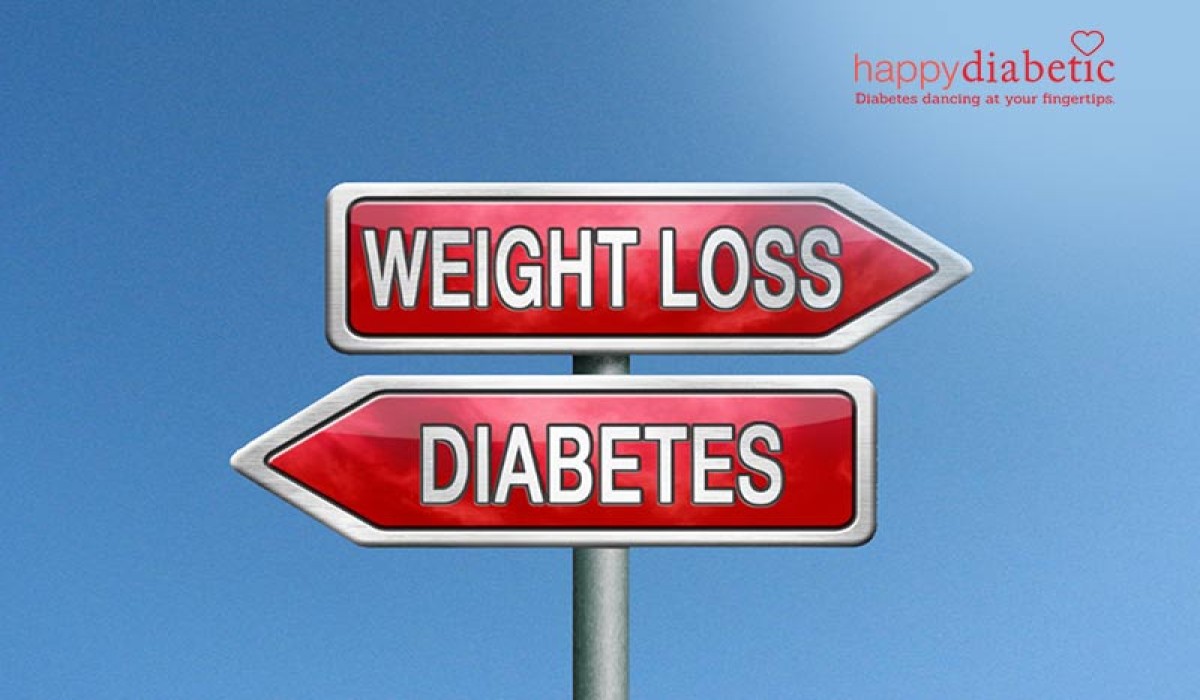
[...] I am afraid, I disagree with this statement and the truth is that, this statement is NOT true.
Please ask those patients of mine who have had their diabetes 'disparete'.
Studies have shown that weight loss can put your diabetes into remission, and this certainly has been reproduced in my cohort of patients, who have controlled their diet, changed their lifestyle and lost weight.
Losing 15% of your weight, will make your diabetes disappear. This is what studies have shown. So, for example, if you weigh 100 kg and have diabetes, and you lose 15 kg in weight, your diabetes will disappear most likely.
Losing 15 per cent or more weight loss should become a central focus of managing type 2 diabetes (T2D) since it has the potential to slow progress and even reverse diabetes in many cases and reduce complications.
In patients with type 2 diabetes, the main treatment focus should be managing the key underlying abnormality and driver of the disease: OBESITY.
It is surprising that when I ask obese/overweight patients in my clinics: 'ki ou pense ou pli gros problem ete' and NO one says that their obesity is the problem, despite that it is overtly obvious!
Approach of tackling weight loss has the added benefit of addressing not just high blood sugar, but other obesity-related complications, such as fatty liver (la graise dans le foie), obstructive sleep apnoea, osteoarthritis (rhematis- douleur dans ban joint), high blood pressure and an elevated blood fats profile, thus having a much greater impact on the person's overall health than just managing blood sugar alone.
This is the reason why I take so much time, going through their diet, exercise, lifestyle, measuring their height, weight, waist size, etc...because dealing with blood sugars if fairly straight forward and less time consuming, but teasing out these details can be a painful tasks...believe, especially, if you want to know about their dietary habit.
By Dr. Iswaraj Ramracheya

Fast Delivery
Call us for delivery dates.

Cash Payment
Pay cash on delivery.

Shop with Confidence
Our Buyer Protection covers your purchasefrom click to delivery.

24/7 Help Center
Have a question? Call a Specialist on 465 5777.

- Address: 3rd Floor, The Core Building Ebene
- Phone: (+123) 465 5777 / 468 1541
- Email: info@happydiabetics.mu
Discover Restaurants, coffee shops and Bars in Mauritius on Anou Manzer Click Here